We're All Food Critics Now and Nobody Asked for This
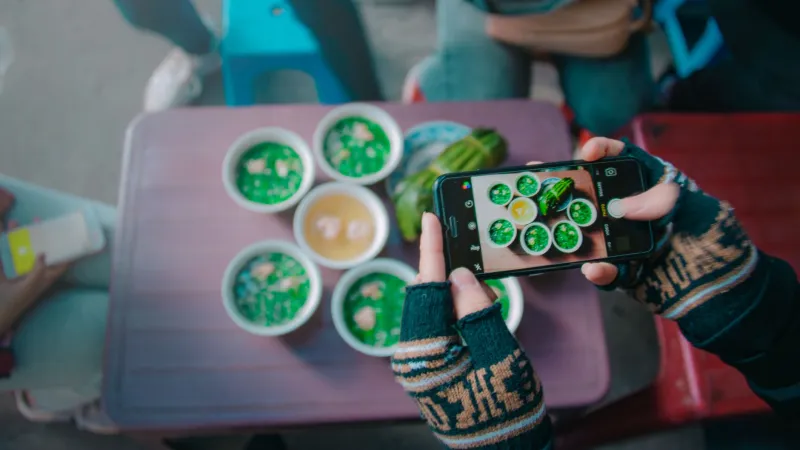
I want to tell you about the moment I realized something had gone seriously wrong with how we eat in public. I was at a birthday dinner — a nice one, the kind where the menu doesn't have prices because the prices are not the point — and before a single person at the table had taken a bite, four out of six of us were photographing our plates. One person had a ring light. A portable ring light. That they had brought. To a birthday dinner.
Nobody commented on this. We had all, apparently, agreed somewhere along the way that this was just how eating works now.
Welcome to the age of the civilian food critic, where every lunch is a content opportunity, every tasting menu deserves a star rating, and the person sitting across from you at brunch has seventeen hundred Yelp reviews and a consistent editorial voice.
How We Got Here: A Brief and Depressing History
For most of human history, the act of eating at a restaurant required only two things: hunger and money. You sat down, you ordered, you ate, you left. The food was either good or it wasn't, and you communicated this information to other humans through the ancient technology of telling them about it at some later point, in conversation, like a normal person.
Then came Yelp, which gave everyone a platform. Then came Instagram, which gave the platform an aesthetic. Then came TikTok, which gave the aesthetic a runtime. And somewhere in that progression, a switch flipped inside the American dining public, and we collectively decided that eating food without documenting, rating, and publishing our experience of eating food was a kind of waste.
Now we have a nation of self-appointed culinary authorities, and I include myself in this, who approach a plate of tacos with the focused intensity of someone filing a congressional report.
The Psychology of the Unsolicited Opinion
Here is what I think is actually happening, and I say this with genuine affection for everyone involved including myself: we have found a way to make the ordinary feel significant. You didn't just eat lunch. You evaluated a dining experience. You contributed to a public record. You influenced future decisions. The taco was not just a taco — it was a data point in your ongoing personal narrative as a person with taste.
This is, psychologically speaking, not nothing. Humans need to feel like their experiences matter. For most of recorded history, that need was met by religion, community, or the occasional genuinely consequential event. In 2024, it is being met by a three-star review of a Midtown sandwich place that notes the bread was "fine but not exceptional" and the service was "a little scattered."
The bread was fine. You have published this information. You feel, briefly, like an authority. This is the whole machine.
The Performance of Having a Palate
What nobody talks about honestly is the social status dimension of this whole enterprise. Being a person with strong food opinions — a reliable restaurant recommendation, a go-to hole-in-the-wall, a principled stance on whether a certain famous pizza place is actually worth the hype — is now a legitimate form of cultural capital.
I know people who have built their entire social identity around this. They are the person in the group chat who gets tagged when someone asks for a dinner recommendation. They have a Notes app folder dedicated to restaurants they want to try. They describe wine using words that feel made up but are apparently real. They have opinions about the trajectory of a chef's career. They are, by every measurable standard, having a great time, and also they have turned eating into homework.
The pressure to have an opinion has quietly extended to everyone around them. I went to a new ramen spot last month with a friend who does not care about food at all — she eats for fuel, she has said this openly, she respects the process but does not romanticize it — and she still felt compelled to pull out her phone and photograph the bowl before eating. "For what?" I asked. She looked at me. "I don't know," she said. "It felt weird not to."
We are all performing for an audience that may or may not exist.
The Star Rating Industrial Complex
Here is my actual concern, stated plainly: the democratization of the food review has not made restaurant criticism more accurate. It has made it louder. A restaurant can have four hundred five-star reviews and fifty one-star reviews, and the one-star reviews are disproportionately about parking. The five-star reviews often say things like "great vibes" without elaborating on what the vibes were or why they were great. The aggregate rating you are consulting before choosing a dinner spot is, in large part, a measurement of how many people felt strongly enough about their meal to tell the internet about it, which is a different thing than whether the food was good.
And yet here I am, checking the rating before I walk in the door every single time, because the alternative is just going somewhere and finding out for myself, which apparently I am no longer willing to do.
A Modest Proposal for Eating Like a Regular Person Again
I am not suggesting we stop talking about food. Talking about food is one of the genuinely great human pleasures. I am suggesting, gently, that we consider the possibility that not every meal needs a verdict.
Sometimes the burger is pretty good. Sometimes the service is whatever. Sometimes the ambiance is, you know, fine. These are complete and valid dining experiences that do not require publication, photography, or a star rating out of five. They can simply be meals that you ate, that fed you, that you maybe enjoyed, and that you are now done with.
The ring light, though. We need to have a harder conversation about the ring light.
I'm giving this article three and a half stars. The concept was strong but it ran a little long in the middle. The ending was a bit scattered. I would come back.